Videos, Resources & Reflections
Use the tabs below to navigate between video conversations, research materials, and short reflections.
Interviews
Coming soonInterviews coming soon
In-depth conversations with researchers, educators, and community members will be added here as the project grows.
Research Talks
3 videos
African Studies Global Virtual Forum: Fatou Cissé Kane
Dr. Fatou Cissé Kane discusses how African languages are taught in European universities and how digital technologies can support more innovative pedagogy. It highlights links between language, institutional practice, and representation, connecting directly to the focus of IGODO on colonial language, education, and access.
Watch Video →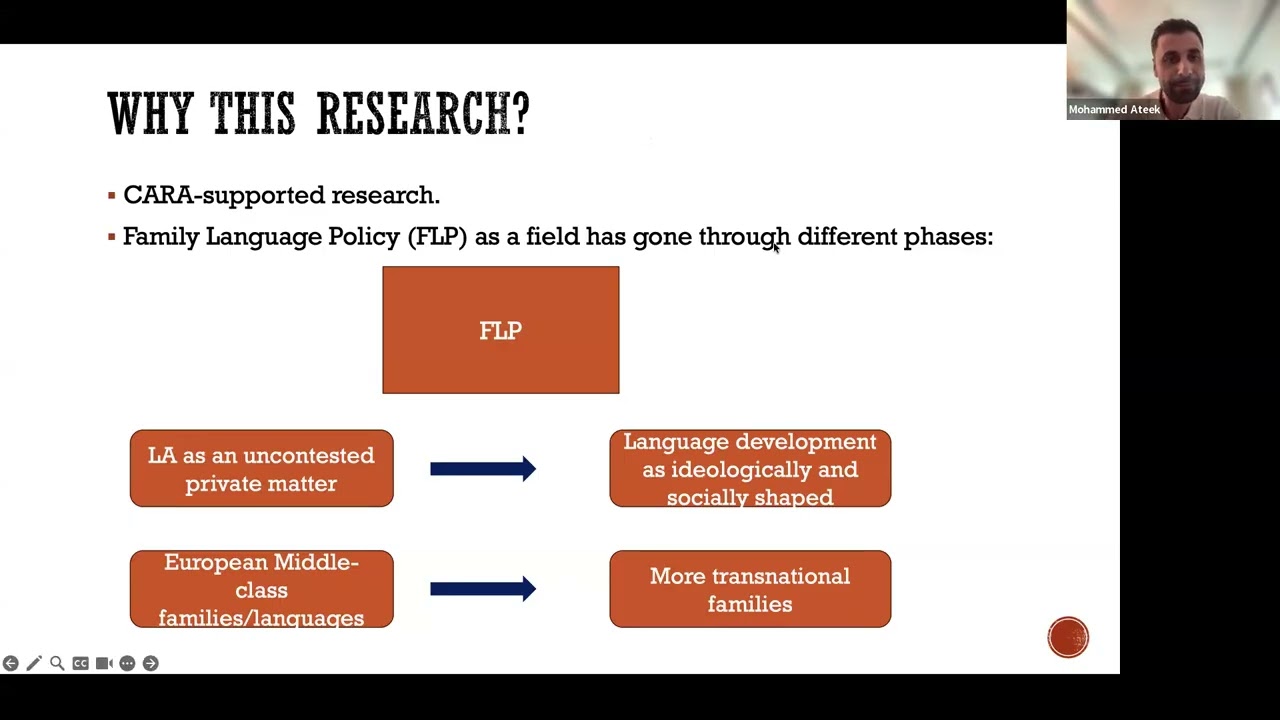
Mohammed Ateek: African Studies Global Virtual Forum
Dr. Mohammed Ateek examines how Syrian refugee families in Turkiye make decisions about language use at home, at school, and in the wider community. Explores family language practices, management, and ideologies, and reflects on ethical issues around language, education, and power in refugee contexts.
Watch Video →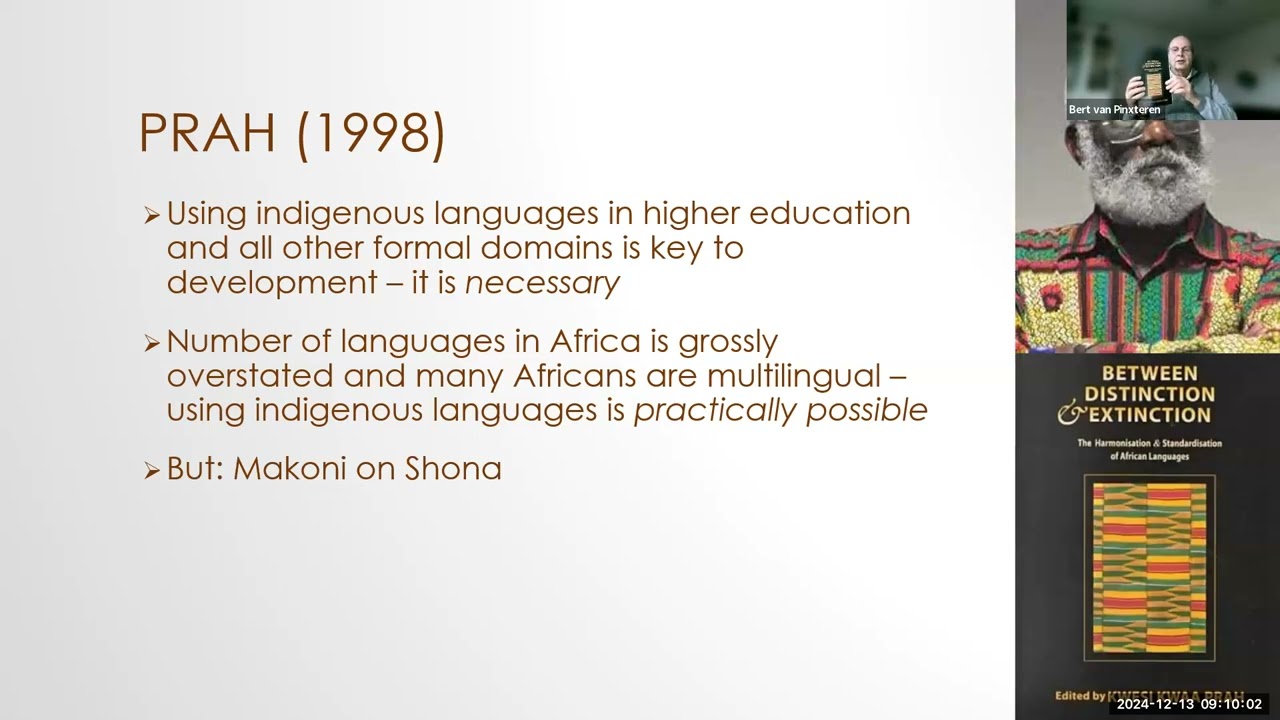
Decoloniality and Southern Epistemologies: Bert van Pinxteren
Bert van Pinxteren interrogates widely held “toxic ideas” about language and education in African contexts and argues for alternative perspectives that better support equitable schooling. It links colonial histories, language ideologies, and educational practice, all of which are directly relevant to the focus of IGODO on language, development, and institutional power.
Watch Video →Public Lectures
1 video
African Studies at Penn State
This video introduces African Studies at Penn State and explains why engaging with African histories, societies, and ways of knowing matters. It outlines the program’s interdisciplinary focus, providing a broader context for the decolonial and language-focused discussions featured in the IGODO library.
Watch Video →Student Discussions
12 videos
Student Discussion: What Does Language Have to Do With Education?
A student researcher reflects on how the language of instruction shapes the learning experience. Drawing on personal experience navigating school in a non-native language, this discussion explores what gets lost when students are taught in a language that is not their own.
Watch Video →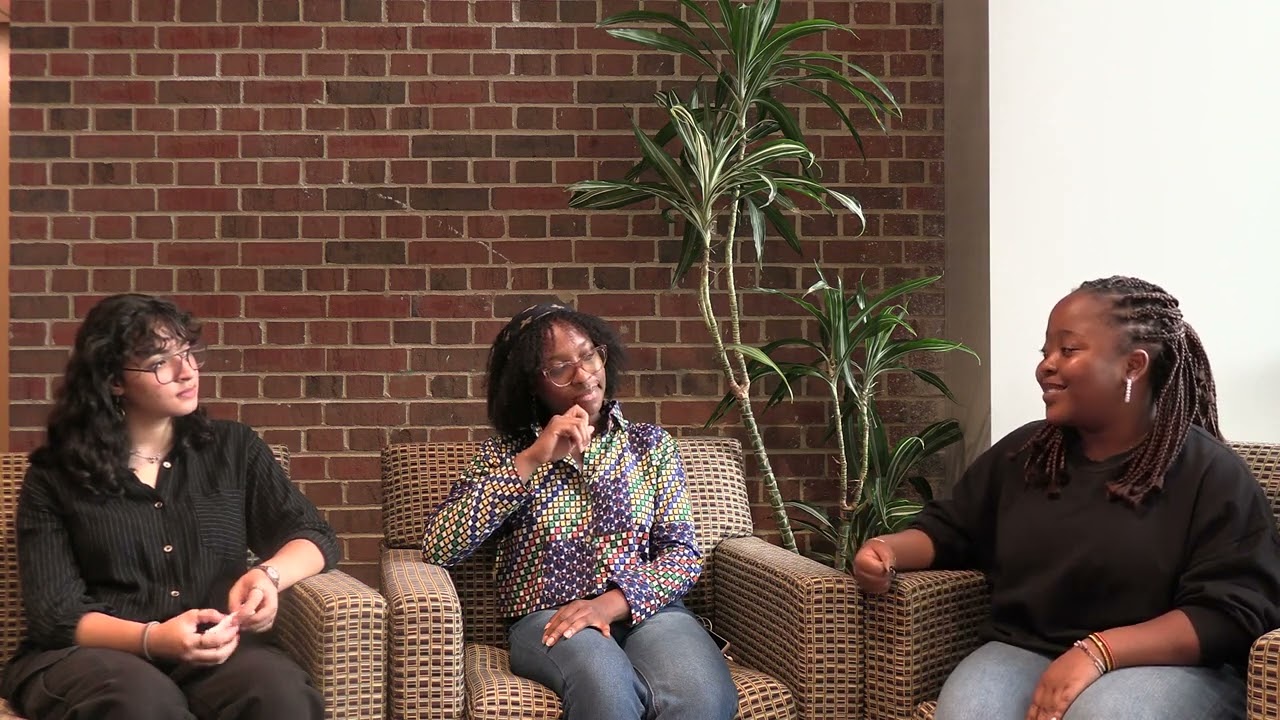
Student Discussion: Language, Identity, and the Classroom
This student discussion examines how language choices in educational settings affect students' sense of identity and belonging. The conversation draws directly on the IGODO project's core themes around colonial language legacies and their ongoing impact on students today.
Watch Video →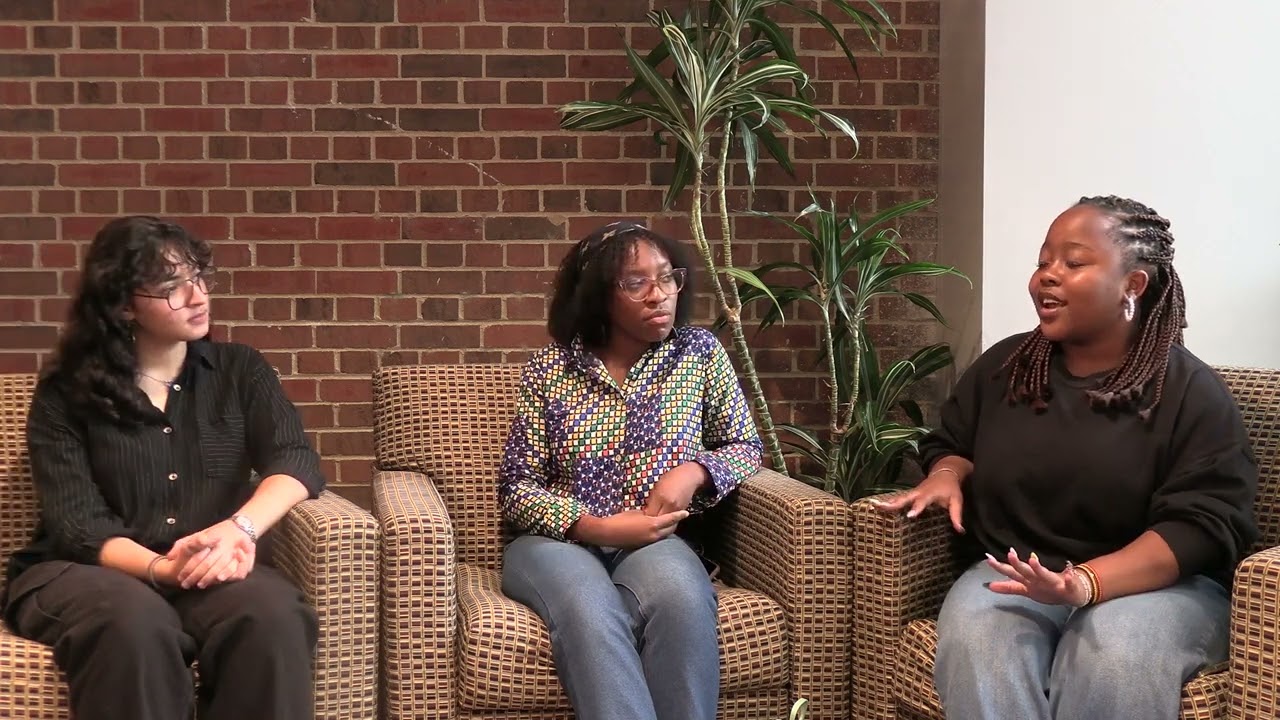
Student Discussion: Colonial Languages and What They Were Designed to Do
A student researcher unpacks the historical purpose behind colonial language policies in schooling — who they were designed to include, who they were designed to exclude, and why that history still matters in classrooms today.
Watch Video →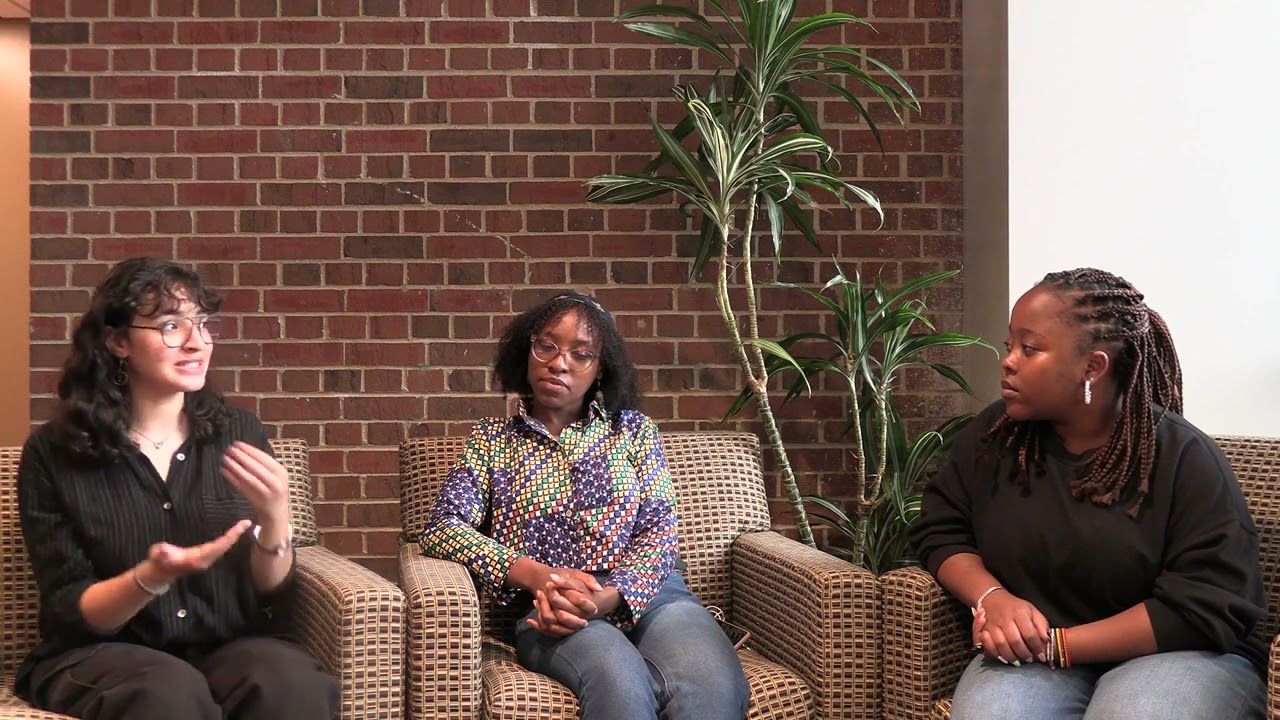
Student Discussion: Who Gets to Succeed? Language and Educational Access
This discussion explores the relationship between language and access to quality education. The student researcher considers how language requirements function as barriers and what a more equitable approach to multilingual schooling might look like.
Watch Video →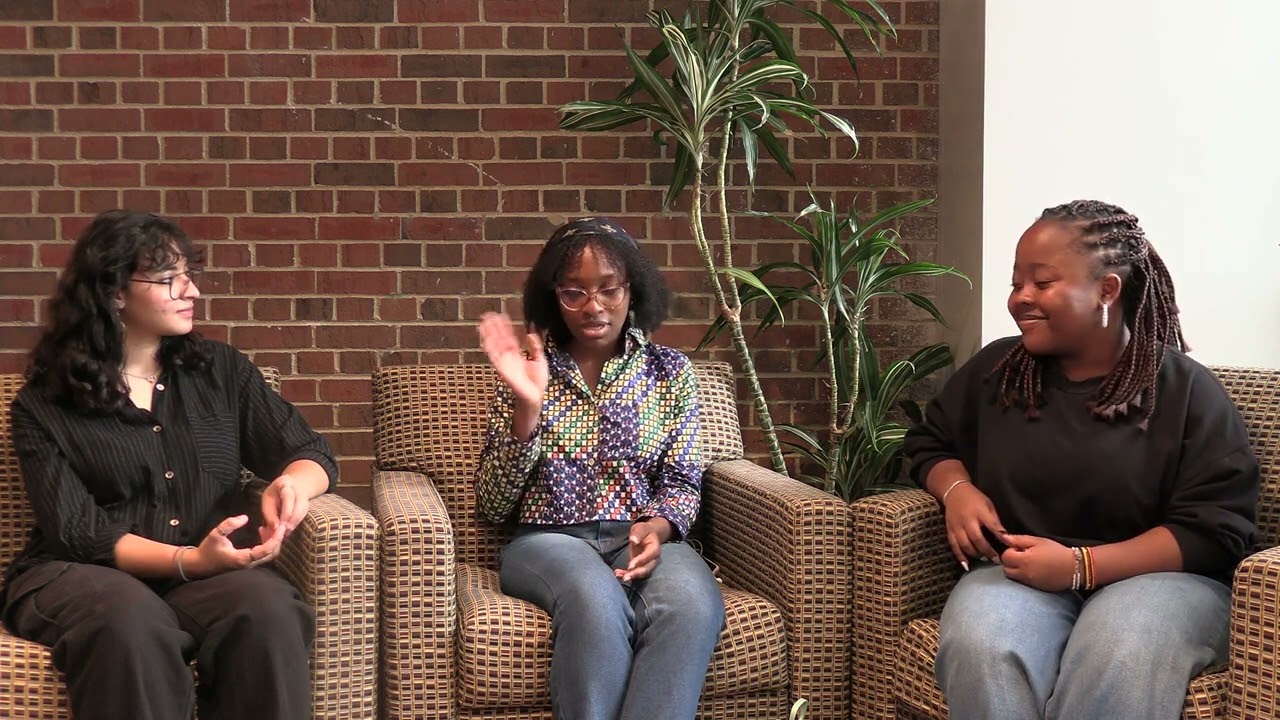
Student Discussion: Community Knowledge and the Limits of Academic Language
What kinds of knowledge count in formal education, and what kinds get left out? This student researcher explores how privileging academic and colonial languages in schools can silence community knowledge and non-expert voices — a question central to the IGODO project.
Watch Video →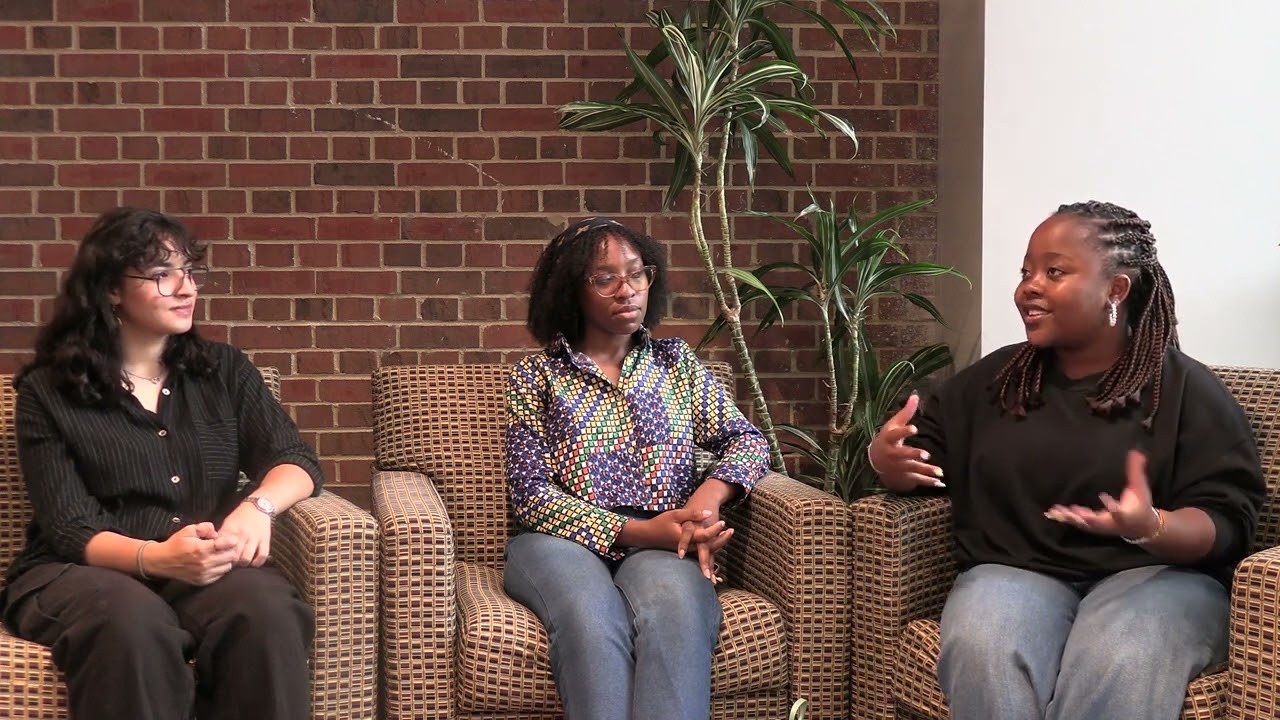
Student Discussion: Growing Up Between Languages
A personal and analytical account of navigating two or more languages across home, school, and community. This student researcher reflects on the emotional and intellectual cost of code-switching in educational environments not designed for multilingual students.
Watch Video →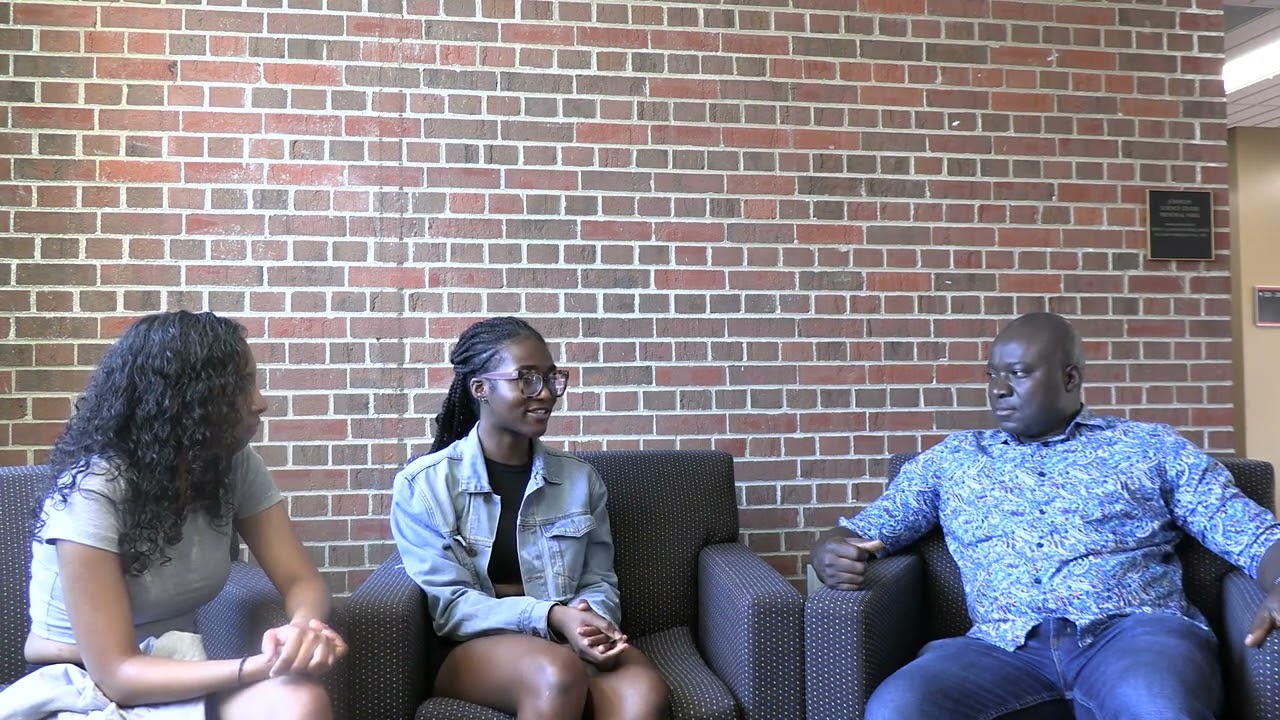
Student Discussion: What Is Lost When a Language Is Erased?
This student researcher examines what happens to culture, memory, and community when a language disappears from educational spaces. The discussion connects language loss to broader themes of colonial policy and cultural continuity that run throughout the IGODO project.
Watch Video →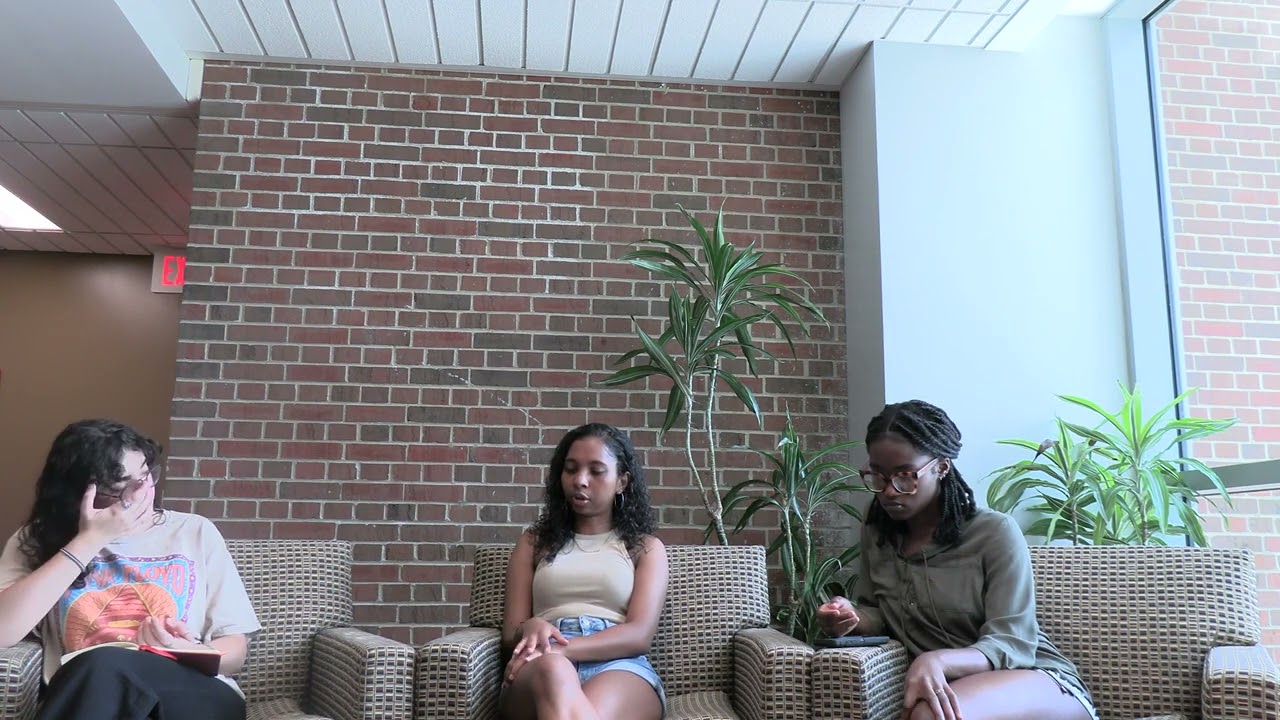
Student Discussion: Teachers, Language, and the Classroom in Practice
From the perspective of a student who has sat across from many teachers, this discussion reflects on how educators navigate language expectations in classrooms and what it looks and feels like when they get it right — or wrong.
Watch Video →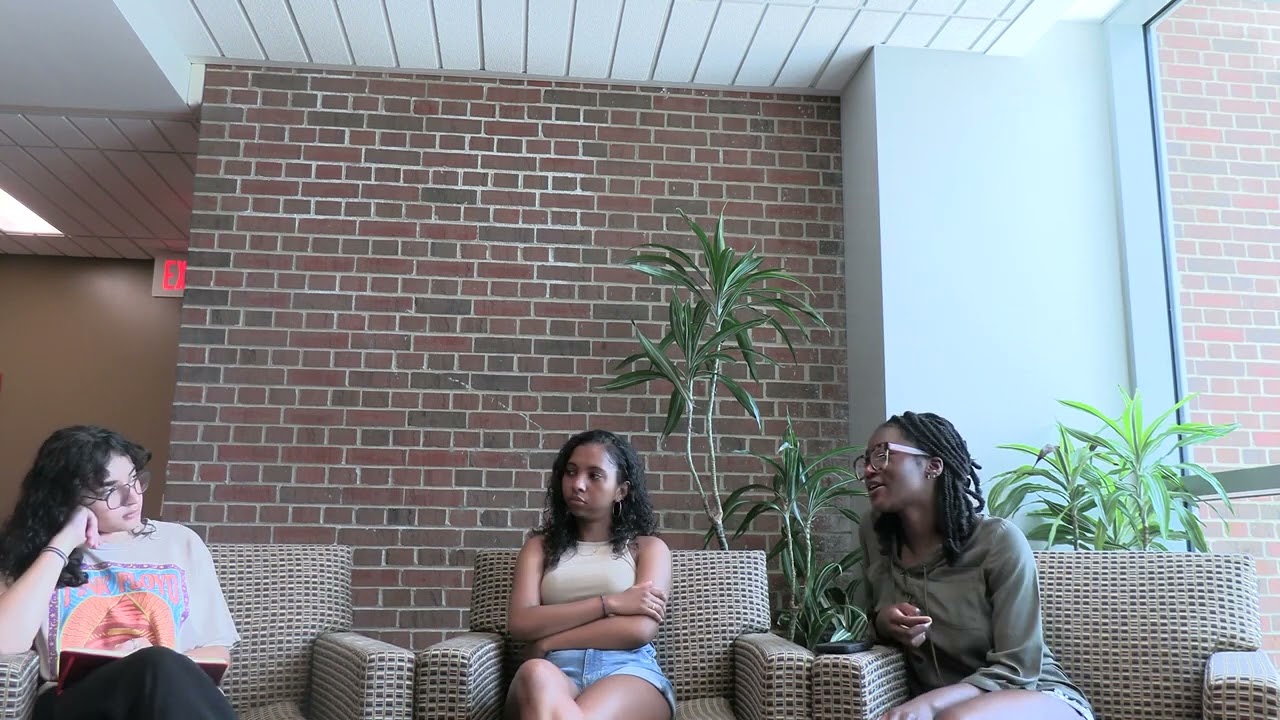
Student Discussion: Language Policy and Who It Protects
A critical look at how language policies in education are made, who shapes them, and whose interests they serve. This student researcher connects policy decisions to lived classroom experiences, asking what changes if community voices were centered in those conversations.
Watch Video →
Student Discussion: Multilingualism as a Strength, Not a Problem
This student researcher pushes back against the framing of multilingual students as academically disadvantaged, arguing instead that multilingualism is an intellectual and cultural asset that educational systems often fail to recognize or support.
Watch Video →
Student Discussion: Reclaiming the Narrative on Language and Learning
A reflective conversation on what it means to reclaim one's linguistic identity within an educational system built on different assumptions. This student researcher draws on IGODO themes to explore agency, voice, and the right to learn in one's own language.
Watch Video →
Student Discussion: What Would School Look Like If Language Was No Barrier?
A forward-looking student discussion that imagines what education might become if multilingual students were fully supported rather than required to assimilate. This conversation closes the student discussion series with a vision grounded in the values of the IGODO project.
Watch Video →Community Conversations
Coming soonCommunity conversations coming soon
Videos featuring educators, practitioners, and community members will be added here as the project grows. Check back or follow updates on the Community page.
Research Papers, Books & Reports
Core academic works that inform the IGODO project, covering language policy, colonial education, multilingualism, and student development. Click any title to access the PDF directly, or visit the publisher page for further reading.
Journal Articles
Education in Africa: A Critical Historiographic Review
Desmond Ikenna Odugu. History of Education: Journal of the History of Education Society, Vol. 52, No. 2-3, pp. 220-245, 2023.
This article interrogates the very possibility of writing a unified history of education in Africa, arguing that the field has been shaped by competing philosophical, anthropological, and ideological frameworks that reveal as much about the historians as about Africa itself. Odugu critiques scholars’ long preoccupation with colonial education as the defining event of African educational history, identifies epistemic ruptures in the quest for historical truth, and proposes a decolonial approach that centers Africans in their own historical narratives.
Translanguaging as Decolonial Praxis: Pedagogic and Epistemic Thrusts in the Politics of Official Knowledge
Desmond I. Odugu. Journal of Multilingual Theory and Practice (JMTP), Vol. 3, No. 1, pp. 27-52, 2022.
Drawing on two emergency remote courses taught during the Covid-19 pandemic, this article examines translanguaging, the fluid use of multiple languages as a unified repertoire, as a form of decolonial practice in US higher education. Odugu argues that the institutional formations of schooling (how knowledge is reproduced, structured, and transmitted) fundamentally undercut the political logic of translanguaging, and that genuine epistemic shifts require not just language policy changes but radical transformations in how institutions understand and organize knowledge itself.
Transitional Multilingual Education Policies in Africa: Necessary Compromise or Strategic Impediment?
Desmond I. Odugu & Camille N. Lemieux. Language and Education, Vol. 33, No. 3, pp. 263-281, 2019.
This ethnographic study investigates why African education systems remain locked in transitional multilingual policies that use native languages only in early primary school before switching to colonial languages, despite decades of scholarship showing the benefits of full native-language-based instruction. Through interviews with parents, educators, researchers, and policymakers, Odugu and Lemieux find that the very way multilingual education is advocated sends mixed messages that fuel local resistance. They argue that transitional multilingualism is not a neutral compromise but an inherently hierarchical arrangement that undermines the goals it claims to serve.
Antinomies of Ideologies and Situationality of Education Language Politics in Multilingual Contexts
Desmond Ikenna Odugu. International Multilingual Research Journal, Vol. 9, No. 3, pp. 137-158, 2015.
This article examines the dominant frameworks used to debate language planning in multilingual societies, particularly the debate between language as a right and language as a resource, and argues that both deploy criteria of rationality and social justice that are disconnected from how real multilingual communities actually function. Drawing on ethnographic evidence from India and Nigeria, Odugu calls for an integrative, dialogic approach to language policy that is tentative and responsive to complex local realities rather than bound by rigid ideological positions.
Indigenous Discourses on Knowledge and Development in Africa
Desmond Ikenna Odugu. 2014.
This article explores how indigenous African frameworks for understanding knowledge and development have been systematically marginalized by Western-centric development discourse and colonial education systems. Odugu argues that genuine educational development in Africa requires taking indigenous epistemologies seriously, not as folklore or tradition, but as sophisticated systems of thought that offer practical and philosophical resources for reimagining schooling, knowledge production, and community development on African terms.
Books
Language of Education in Africa
A. Babs Fafunwa, J. I. Macauley & J. A. F. Sokoya (Eds.) University of Ife Press, 1989.
A landmark edited volume that emerged from the Ife Six-Year Primary Project in Nigeria, one of the most significant mother-tongue education experiments in Africa. The book makes a compelling case for using African languages as the primary medium of instruction in primary schools, documenting evidence that children learn more effectively in their home language. It remains a foundational reference for debates about language and education across the African continent.
Language Issues in Comparative Education: Inclusive Teaching and Learning in Non-Dominant Languages and Cultures
Carol Benson & Kimmo Kosonen (Eds.) SensePublishers, Comparative and International Education: A Diversity of Voices, Vol. 24, 2013.
This edited volume brings together 22 authors to examine how non-dominant home languages can be used in schools to achieve more inclusive and equitable education. Covering countries across Asia (Afghanistan, Bangladesh, Cambodia, Philippines, Thailand, Vietnam), Latin America (Guatemala, Mexico), Africa (Mozambique, Senegal, Tanzania), and North America (Canada, USA), the book demonstrates that bringing students’ home languages into the classroom has transformative, liberatory potential, particularly for communities historically excluded from quality basic education.
Language, Power and Pedagogy: Bilingual Children in the Crossfire
Jim Cummins. Multilingual Matters, Clevedon, England, 2000.
Drawing on 25 years of research, Cummins challenges politically motivated attacks on bilingual education by presenting a rigorous, learner-centered analysis of language, cognition, and pedagogy. The book revisits his landmark theories, including the Interdependence Hypothesis and the distinction between conversational and academic language proficiency, all reviewed in light of new evidence. Cummins argues that educators and researchers have the power to address language-based inequity and pushes for policy and practice that honors the linguistic and cognitive resources bilingual children bring to school.
From Language Policy to Language Planning: An Overview of Languages Other Than English in Australian Education
Paulin G. Djité. Australian National Languages and Literacy Institute (NLLIA), Deakin, 1994.
This report examines the sociolinguistic landscape of nine languages other than English (LOTE) commonly used in Australia, including Arabic, Chinese, French, German, Modern Greek, Indonesian/Malay, Italian, Japanese, and Spanish, and their implications for public education policy and language planning. It traces the history of Commonwealth and state language policies, explores the relationship between language and trade, and presents data from a national student attitude survey. An essential reference for understanding how multilingual communities navigate official language systems.
Optimising Learning, Education and Publishing in Africa: The Language Factor. A Review and Analysis of Theory and Practice in Mother-Tongue and Bilingual Education in sub-Saharan Africa
Adama Ouane & Christine Glanz (Eds.) UNESCO Institute for Lifelong Learning (UIL) and Association for the Development of Education in Africa (ADEA), Hamburg, 2011.
A comprehensive review of the theory and practice of mother-tongue and bilingual education across sub-Saharan Africa. The report covers language politics and planning history, teaching practices in familiar languages, case studies from Benin, Burkina Faso, Cameroon, Mali, Tanzania, and Zambia, and the economics of financing mother-tongue education. It makes a strong evidence-based case that educating children in a language they know produces better learning outcomes and argues for a fundamental rethinking of language-in-education policy across the continent.
Palimpsest of Tangled Dramas: Language and Education Beyond Institutional Formations
Desmond Ikenna Odugu. Book chapter, 2023.
Using the literary metaphor of a palimpsest, a manuscript where older writing shows through beneath newer layers, Odugu examines how the histories of language and education overlap, contradict, and complicate each other in ways that institutional frameworks struggle to contain. The chapter argues that language in education is never a clean, settled arrangement but a layered drama of colonial impositions, indigenous resistances, political negotiations, and lived experiences that continue to shape classrooms and communities today.
Language Revolution: Education and Social Change at Linguistic Crossroads
Desmond Ikenna Odugu. Book chapter, 2019.
This chapter positions language not merely as a tool of communication but as a site of social struggle, a place where competing visions of education, identity, and power collide. Odugu examines how moments of political and educational transformation become “linguistic crossroads” where the choice of language carries enormous stakes for communities, nations, and individual students. The chapter draws on African and global contexts to argue that genuine educational change requires confronting, not bypassing, the language question.
Linguistic Diversity and Education: From Incremental Reform to Radical Social Change
Desmond Ikenna Odugu. In E. Shizha & N. Makuvaza (Eds.), Re-thinking Postcolonial Education in Sub-Saharan Africa in the 21st Century: Post-Millennium Development Goals, pp. 127-140. SensePublishers, 2017.
This chapter traces the dramatic shift in scholarly consensus on multilingualism, from viewing it as a cognitive and social burden to recognizing it as a powerful resource, and asks why this shift has not translated into meaningful policy change across sub-Saharan Africa. Odugu argues that incremental reform within existing colonial education structures is insufficient and that achieving the genuine benefits of linguistic diversity in African schools requires a more radical reimagining of what education is for and whose interests it serves.
Re-thinking Postcolonial Education in Sub-Saharan Africa in the 21st Century: Post-Millennium Development Goals
Edward Shizha & Ngoni Makuvaza (Eds.) SensePublishers, Rotterdam, 2017. (Includes chapter by Desmond Ikenna Odugu)
This edited volume assembles African scholars to evaluate what postcolonial Sub-Saharan African countries have achieved in education since independence and after the 2015 Millennium Development Goals. It offers home-grown African perspectives on the barriers to sustainable, equitable education, including language, curriculum, policy, and institutional legacies of colonialism. Odugu’s chapter on linguistic diversity appears in this volume. The book is aimed at scholars, graduate students, policymakers, and NGOs engaged with African education.
UNESCO Policy Reports
The Use of Vernacular Languages in Education
UNESCO. Monographs on Fundamental Education, No. VIII, Paris, 1953.
One of the most cited and historically significant documents in the field of language and education, this UNESCO report established the principle that every child has the right to begin their education in their mother tongue. It examined the psychological, educational, and social arguments for vernacular-language instruction and challenged the dominance of colonial languages in schools. Though written over seventy years ago, its core argument remains urgently relevant and continues to be debated by scholars, policymakers, and educators worldwide.
Education in a Multilingual World
UNESCO. UNESCO Education Position Paper (ED-2003/WS/2), Paris, 2003.
This UNESCO position paper sets out the organization’s official stance on language and education, organized around three principles: that UNESCO supports mother-tongue instruction as a means of improving educational quality; that UNESCO promotes multilingual education as essential for inclusion; and that UNESCO supports language learning as central to intercultural dialogue and respect. The paper surveys the international normative framework, including UN instruments, UNESCO conventions, and outcomes from international conferences, and offers practical guidelines for language and education policy at the national level.
Guides & Reference Documents
How to Engage with IGODO as a Non-Expert
A short guide explaining how community members, students, and non-academic readers can participate in and contribute to the IGODO project. No academic background required.
Coming SoonKey Terms in Colonial Language and Education Research
A reference glossary defining the key concepts used across the IGODO project, including medium of instruction, linguistic imperialism, and postcolonial education.
Coming SoonShort Reflections from the IGODO Community
Brief written pieces from students, educators, researchers, and community members connected to the project. Not long essays, just honest thinking.
The Language I Was Taught to Be Ashamed Of
Growing up, I learned early that the language spoken at home was not the language of success. School made that distinction clear without ever saying it outright. This reflection explores what that does to a student's sense of self over time...
Read More →What I Wish Researchers Would Ask
Researchers come into our community with questions. They rarely ask the ones that matter most to us. After twenty years working with students in multilingual settings, here is what I would want any researcher to understand before they begin...
Read More →On Reading Fanon in a Language He Did Not Choose
There is something strange about reading postcolonial theory in the very colonial language it critiques. This reflection sits with that contradiction and asks what it means for how we do research and who gets to do it...
Read More →Why I Started IGODO
The question that launched this project was not an academic one. It came from a student in my class who asked, simply: why do I have to perform intelligence in a language that was not built for people like me? I did not have a good answer. I still do not, fully. But I am trying...
Read More →Teaching in Two Languages at Once
Every day in my classroom I navigate between the official language of instruction and the languages my students actually think and dream in. This is what that navigation looks like in practice, and why it matters more than most curricula acknowledge...
Read More →First-Generation and the Weight of Academic English
Nobody in my family had been to university before me. When I arrived, I quickly learned that knowing the subject was not enough. I also had to learn to speak the institution. This is what that learning cost, and what it is still costing me...
Read More →Have Something to Share?
IGODO welcomes short reflections from students, educators, practitioners, and community members. You do not need to be an academic to contribute. Honest thinking is what matters.
Submit a Reflection