A research project led by Professor Odugu exploring language, colonialism, education, and student development. It brings together scholars, students, and community voices.
IGODO is a research project focused on the intersections of language, colonial education, institutional power, and student development. It operates as a public-facing research hub and clearing house where scholars, students, and community members can explore ideas together.
The project uses language as its entry point into a much larger conversation about whose knowledge counts, how colonial systems continue to shape modern classrooms, and what it means to truly belong in an educational space.
IGODO is built on the belief that experts have much to learn from non-experts, and that research becomes richer when it includes many kinds of voices and experiences.
IGODO is designed to be a long-term reference point for anyone interested in the relationship between language, power, and education.
Gather conversations, papers, reflections, and events in one accessible place so the work does not get scattered or lost.
Bridge the gap between academic research and lived experience by centering both expert knowledge and community wisdom.
Give students a meaningful role in research, not just as subjects of study but as contributors, thinkers, and co-creators.
Ensure that the project's findings and conversations are available to anyone, not just those inside academic institutions.
Create a resource that grows over time and becomes a reliable reference point for the study of language, colonialism, and education.
Encourage questions, disagreement, and dialogue. This project is not just about answers but about asking better questions together.
Colonial languages did not disappear when empires formally ended. They live on in curricula, in the language of academic success, and in who feels they belong in a classroom. IGODO takes these questions seriously because the stakes are real for students and communities today.
Millions of students around the world are educated in languages that are not their own, a direct legacy of colonial schooling systems.
Institutional language shapes who is seen as intelligent, capable, and worthy of advancement within educational systems.
Community and indigenous knowledge continues to be undervalued in formal educational settings, limiting what counts as legitimate learning.
Student identity, belonging, and mental well-being are deeply affected by whether their language and culture are honored in school.
Understanding these dynamics is the first step toward building more equitable, inclusive, and human educational environments.
The project brings together a faculty lead and student researchers from Lake Forest College, united by a shared commitment to making research accessible, rigorous, and community-centered.
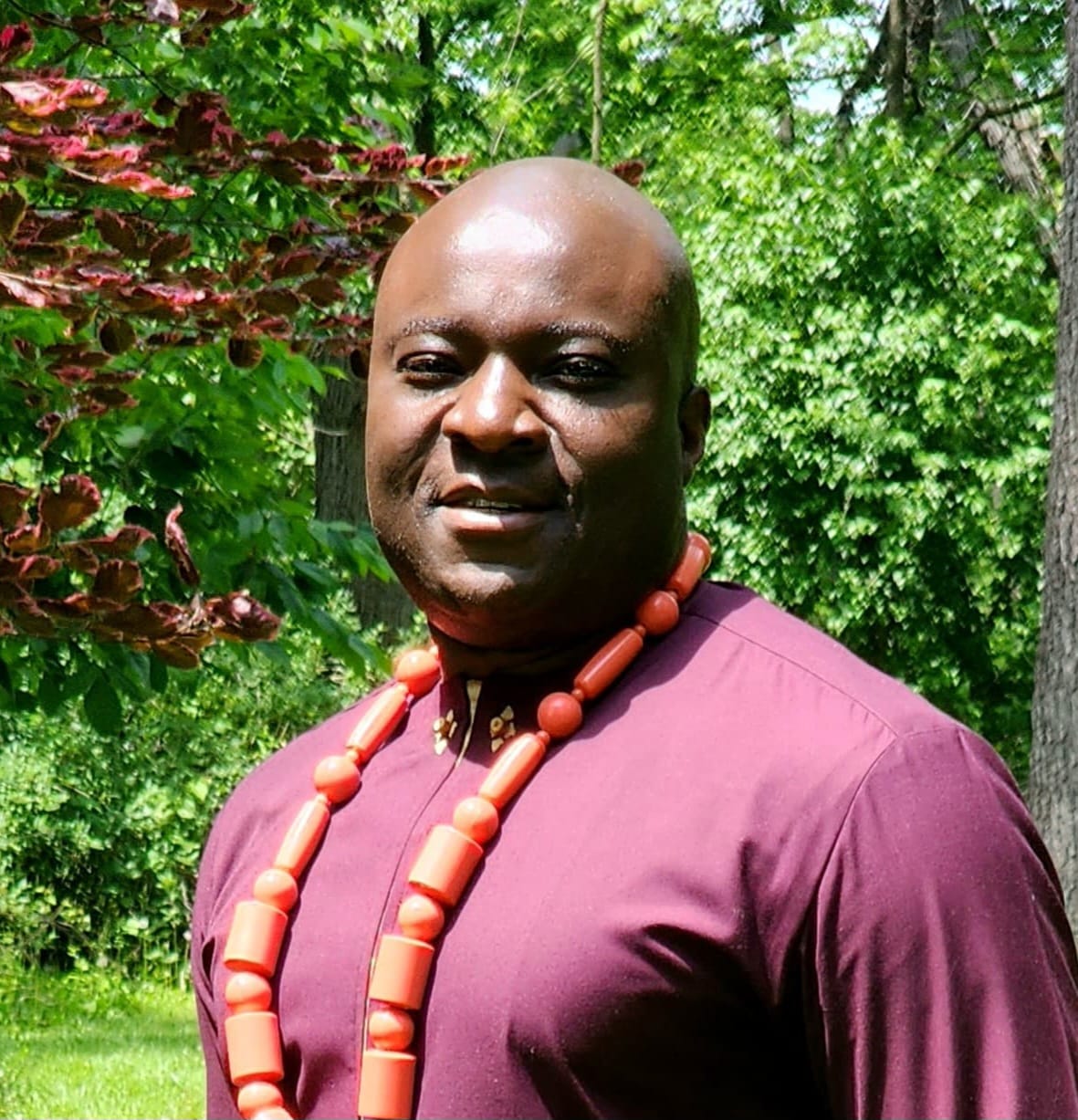
Ike Desmond Odugu is Professor of Education and the chair of Education at Lake Forest College. He holds a Ph.D. in Comparative and International Education from Loyola University Chicago. In addition to his research on linguistic processes, education, and social change in the Global South, as well as race, space, and education in the United States, he explores the history and historiography of education in the African context.
His interest spans epistemic reconsiderations of colonial education historiography, oral history, and indigenous African educational processes prior to and since colonial encounters. He is also the director of the International Network for Action Research on Education, Language, and Society (INARELS).
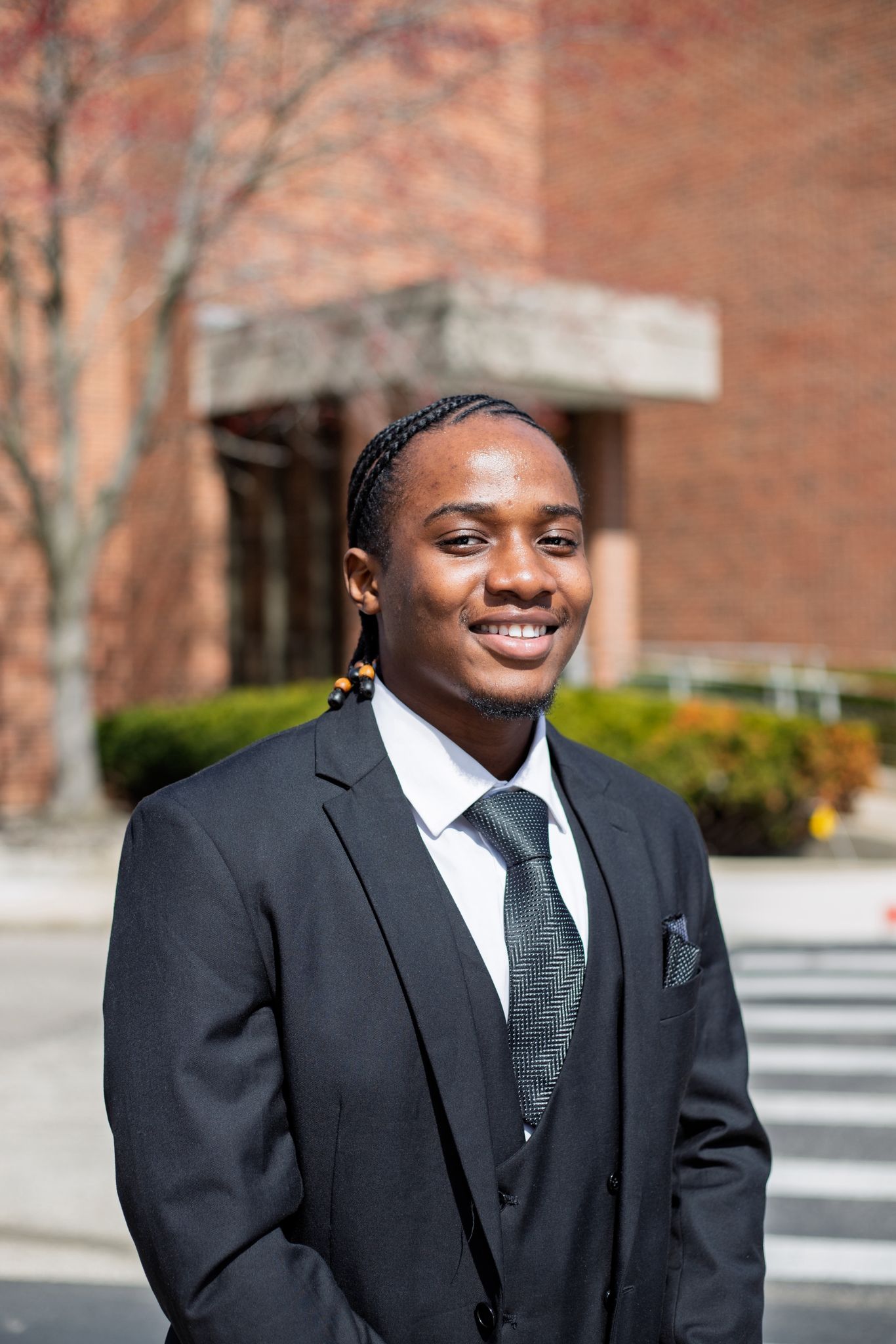
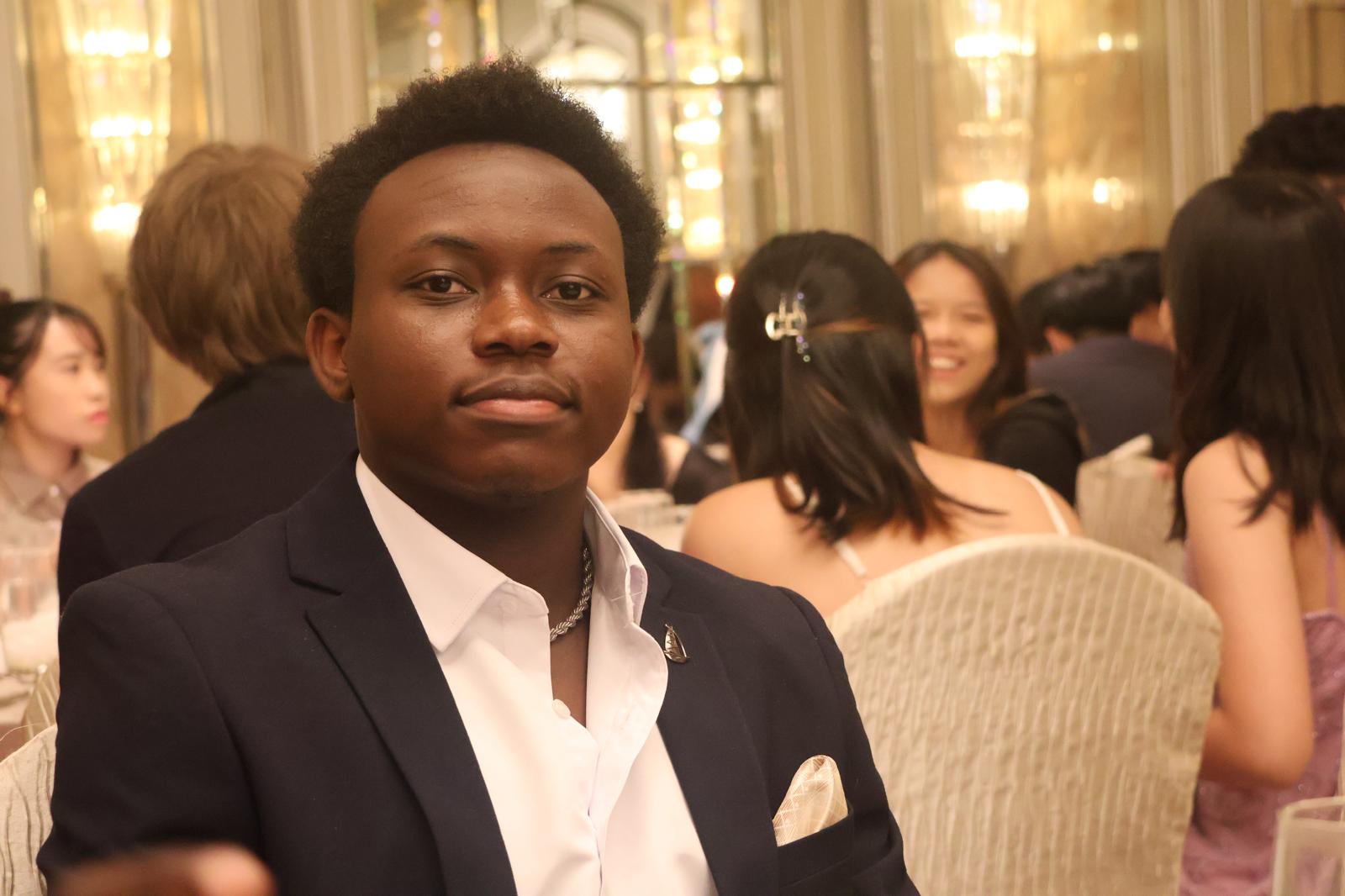
Gavela is a student researcher at Lake Forest College majoring in Computer Science and Data Science, with a minor in French. He contributes technical and analytical skills to the IGODO project.
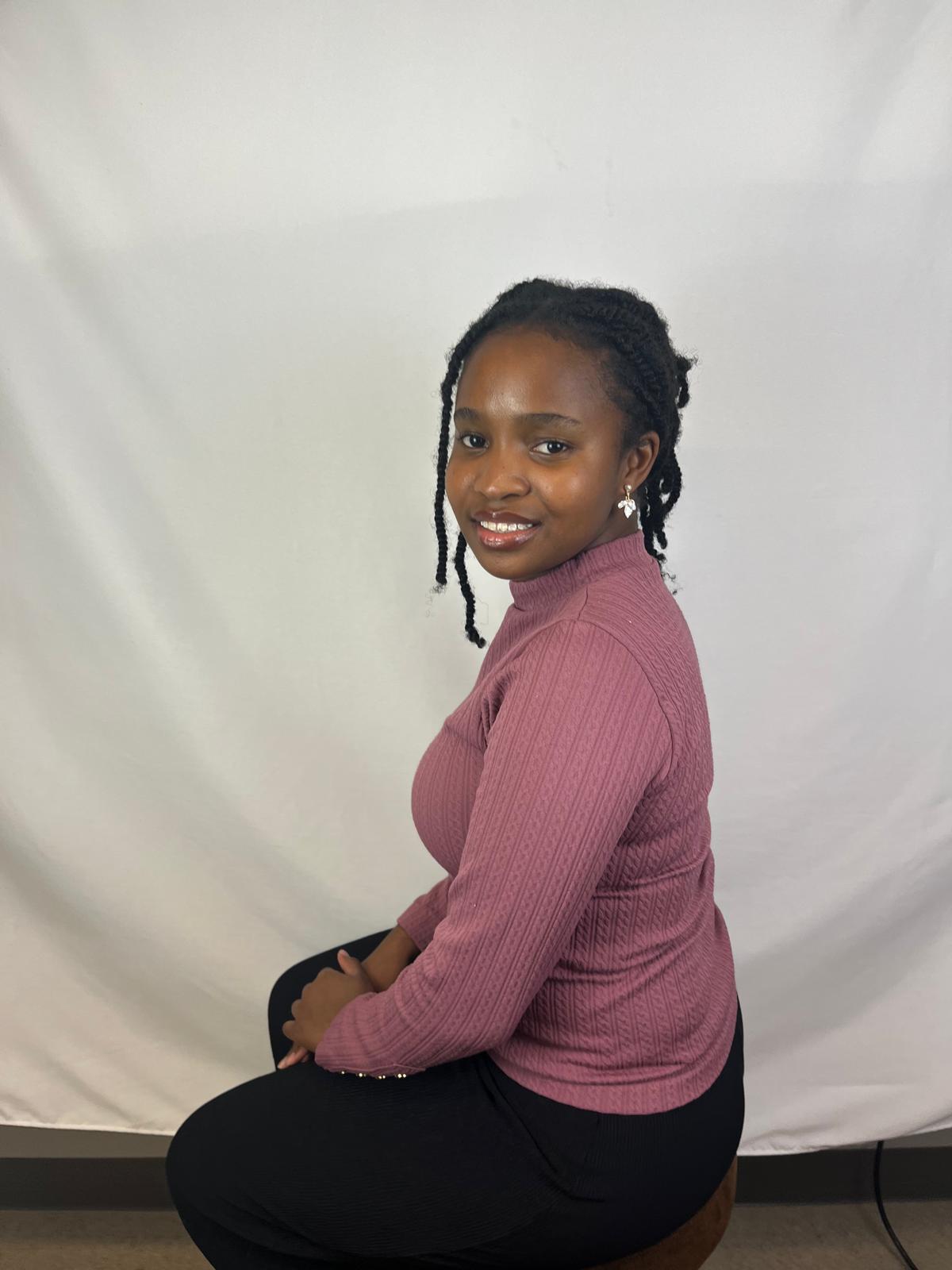
Neema is a student researcher at Lake Forest College majoring in Economics and Communications. She brings her interest in how language, media, and economic systems intersect to the IGODO project.
Emily is a student researcher at Lake Forest College majoring in Psychology and African American Studies. She brings a critical lens on identity, race, and belonging to the project’s core research themes.
Dayyan is a student research assistant at Lake Forest College majoring in Data Science and Economics, with a minor in Physics. He supports the project’s digital and research infrastructure.
Louis is a student researcher at Lake Forest College majoring in Data Science and Economics. He brings analytical thinking and a strong interest in how data and economic frameworks can support the project's research goals.
These values guide how IGODO operates, how it treats contributors, and what it hopes to build over time.
Research should be readable and usable by anyone, not just those with academic training. We write for broad audiences without sacrificing depth.
We ask hard questions about systems, institutions, and assumptions, including our own. Disagreement and dialogue are welcome here.
The people most affected by colonial language systems are central to this project, as participants, contributors, and co-thinkers.
Experts have much to learn from non-experts. We are committed to a model where knowledge flows in all directions, not just top-down.
IGODO is designed to grow over time. We are building something that will still be valuable and relevant years from now.
We take ideas seriously. The project is grounded in careful research, honest engagement with evidence, and intellectual honesty.
Whether you are a student, researcher, educator, or community member, there is a place for you in this project. Reach out or explore what we have built so far.